Live
فارسی عربي
439
-
Aa
+

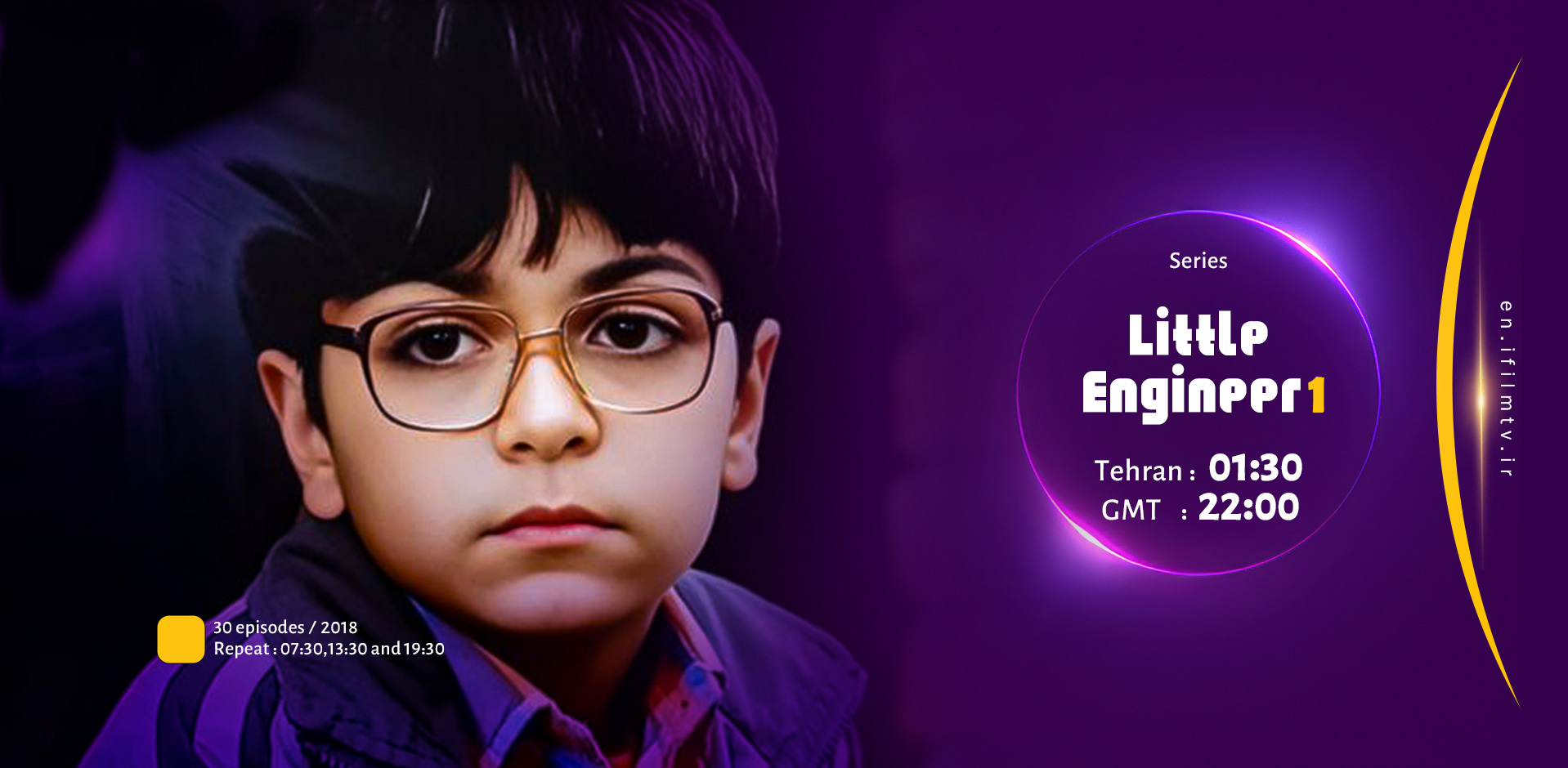
iFilm exclusive note on 'Little Engineer 1'

Original 'Little Engineer' and its subsequent seasons are stirring multi‑generational tales of courage and transformation.

Original 'Little Engineer' and its subsequent seasons are stirring multi‑generational tales of courage and transformation.

It captured the heart of Iran’s new generation of TV audience, showing the timeless question of how hope can grow out of hardship.

More than a family drama, It became a symbol of resilience and human potential, tracing an orphan boy’s rise from vulnerability to self‑discovery and success.

'Little Engineer' is among the most significant and debated television productions of the last decade.

Spanning four seasons, it attracted widespread viewership and critical attention, blending emotional storytelling with social insight and moral reflection.

Its narrative begins in an orphanage and follows the protagonist from infancy through youth and adulthood, combining melodramatic depth with motivational realism.

The story centers on Javad Javadi, an infant nearly sold by his father during a moment of desperation. After a tragic family dispute, his mother relinquishes him to an orphanage.

Javad grows among peers facing similar trials, and his life unfolds across three distinct stages: childhood, adolescence, and young adulthood. Through each, the audience witnesses determination, struggle, and the gradual triumph of spirit.

The decision to set the story in an orphanage gives the series uncommon authenticity.

Few Iranian dramas have so vividly depicted the everyday challenges and dreams of orphaned children.

The audience encounters teachers, administrators, and caregivers.

The realism of these interactions creates a compelling sense of empathy rarely achieved in mainstream television.

Characterization and acting are pivotal strengths. Javad serves as the moral spine of the plot: persistent, idealistic, and symbolically “engineered” by his own effort.

Multiple actors portray him at different life stages, yet the thread of his identity remains intact. Around Javad stand memorable supporting figures—friends, mentors, and surrogate families—whose encounters shape his growth.

Seasonal development:

Season 1 evokes nostalgia through short, episodic glimpses into orphanage life; innocence, mischief, and emotional bonding define its atmosphere.

Season 2 transitions into adolescence, focusing on friendships, early love, and the turbulence of teenage years, appealing strongly to young viewers.

Season 3 accelerates into adulthood, documenting Javad’s college journey and ambition to build a career as an engineer. The themes mirror social issues like unemployment and educational struggle.

Season 4, directed by another filmmaker, introduces tonal shifts that divides viewers; some felt a drop in narrative cohesion, while others continue to admire its emotional sincerity.

Strengths identified by critics and audiences:

Rich depiction of orphanage life and marginalized childhoods

Deep characterization of Javad as an emblem of aspiration and perseverance

Introduction of modern youth relations in a culturally sensitive framework

Convincing acting and well‑matched casting across time spans

Narrative continuity that nurtures long‑term viewer loyalty

Weaknesses frequently noted:

Occasional slow pacing and too many subplots in mid‑series

Creative team changes causing tonal inconsistency

A final resolution perceived as less powerful than the buildup deserved

Ultimately, Little Engineer transcends its dramatic format to become a cultural statement: a compassionate tribute to unseen children and forgotten dreams.

Despite its uneven seasons, it remains one of Iran’s most memorable television achievements.

Note: The English text summarized key points from the original Persian note written by Siavash Mirzaee for iFilm website.

Comments
Send